The Complete Guide to Fungal Diaper Rash Treatment: Understanding Candidal Dermatitis
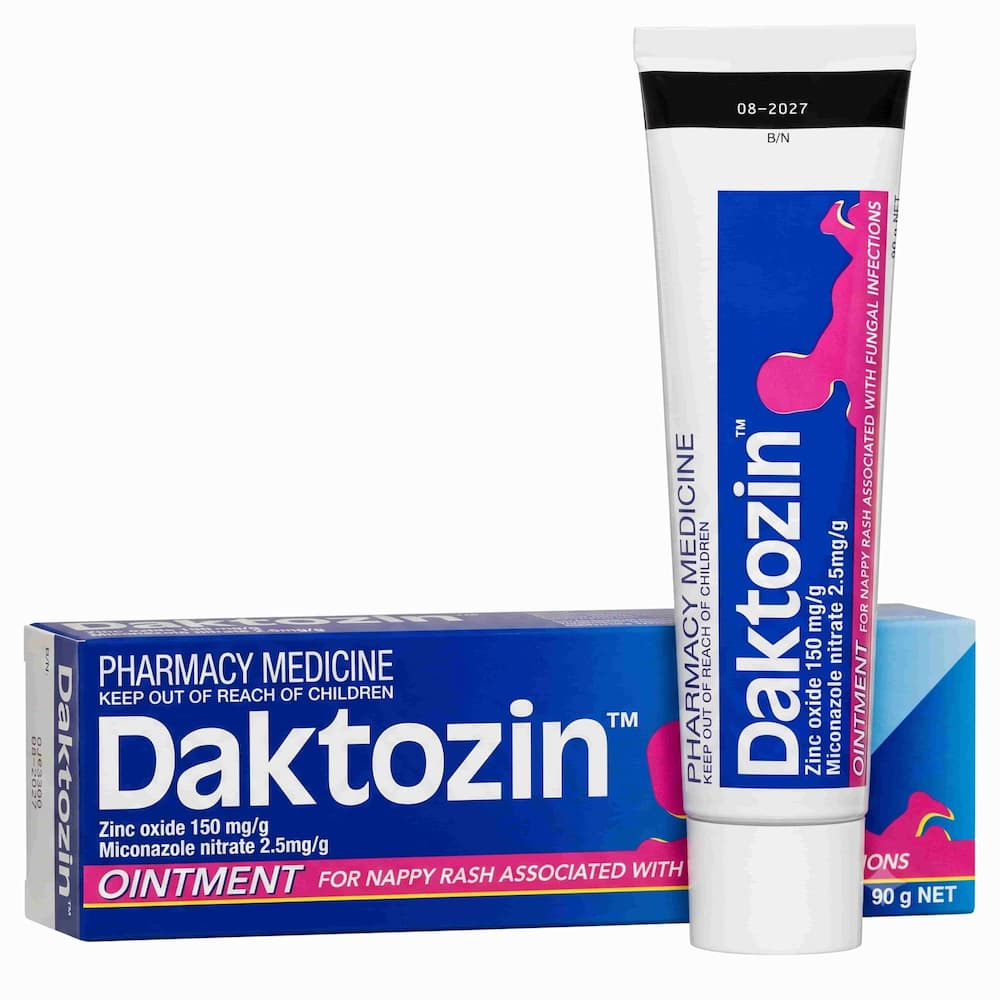
Dealing with an infant suffering from a bright red, severe diaper rash is an incredibly stressful experience for any parent. When standard barrier treatments fail to provide relief and the baby remains in pain, identifying the problem as a yeast infection and pivoting to a targeted fungal diaper rash treatment like Daktozin is essential for recovery.
This guide explores the physiological causes behind fungal diaper dermatitis, explains how to distinguish it from standard frictional irritations, reviews the science of dual-action active ingredients, and outlines best practices for long-term infant skin protection.
Understanding Diaper Dermatitis: Irritant vs. Fungal Infections
To implement an effective treatment strategy, caregivers must understand that "diaper rash" is an umbrella term covering distinct skin conditions. The two most prominent variants are Irritant Contact Diaper Dermatitis (ICDD) and Candidal Diaper Dermatitis (CDD).
Irritant Contact Diaper Dermatitis (ICDD)
This variant is primarily mechanical and chemical in nature. It occurs when an infant’s delicate skin is exposed to prolonged wetness, friction from the diaper material, and fluctuating pH balances caused by the mixing of urine and feces. The digestive enzymes present in stool break down the skin’s lipids, resulting in chapped, red, and tender skin. ICDD typically targets the prominent surfaces of the skin that directly touch the diaper, frequently sparing the deeper skin folds and inguinal creases.
Candidal Diaper Dermatitis (CDD)
Unlike simple mechanical chafing, CDD is an active secondary microbiological infection. The occlusion created by modern diapers creates an environment characterized by elevated humidity, heat, and a compromised skin barrier. These conditions are ideal for the rapid proliferation of Candida albicans, an opportunistic fungal organism normally present in small amounts within the human gastrointestinal tract. Once the skin barrier is broken down by friction and wetness, the yeast infiltrates the tissue, causing a painful, inflammatory immune response that requires an effective antifungal treatment.
The Telltale Signs of a Fungal Diaper Rash
Misdiagnosing a yeast infection as a regular rash often leads to inappropriate care. For instance, applying standard moisturizing lotions can trap extra moisture, which fuels fungal growth. Medical professionals look for several clear visual indicators to accurately diagnose a fungal infection:
- Involvement of the Skin Folds: Unlike standard contact chafing, which skips the creases because the diaper doesn't touch them directly, a yeast infection thrives in dark, warm, moist environments. A rash that is bright red and raw deep inside the groin folds points heavily toward a fungal cause.
- Satellite Lesions: This is the classic indicator of a fungal infection. Caregivers will notice a large, solid red patch surrounded by tiny, distinct red dots or small pustules spread along the outer edges. These dots are known as satellite lesions.
- Intense, Solid Redness: Fungal rashes generally display a vivid, fiery red color with clearly defined edges, rather than the faint, uneven pink areas typical of regular friction marks.
- Resistance to Standard Zinc Creams: If a traditional zinc-only barrier paste is used consistently for more than 48 to 72 hours and there is no clinical improvement—or the inflammation worsens—the condition has likely progressed to a fungal infection.
Why Miconazole Nitrate and Zinc Oxide Form a Powerful Synergy
Daktozin Ointment addresses the complex nature of fungal rashes through a dual-action therapeutic approach, combining two key ingredients: an imidazole antifungal agent and an essential mineral skin protectant.
1. Miconazole Nitrate (2.5 mg/g or 0.25%)
Miconazole nitrate is a thoroughly researched, broad-spectrum antifungal agent. It works by inhibiting the synthesis of ergosterol, a critical component of fungal cytoplasmic membranes. Without ergosterol, the fungal cell wall loses its structural integrity, leaks vital nutrients, and ultimately collapses. This mechanism quickly brings the fungal population back to safe, non-pathogenic levels. Additionally, miconazole offers mild antibacterial benefits, which helps protect irritated skin from opportunistic bacteria often found in diapers.
2. Zinc Oxide (150 mg/g or 15%)
While miconazole eliminates the fungal infection, the inflamed skin remains highly vulnerable to chemical burns from urine and feces. Zinc oxide acts as a highly effective zinc oxide diaper barrier. It forms an impenetrable, physical layer over vulnerable tissue, reflecting away external fluids while lowering friction against diaper linings. Furthermore, zinc ions provide natural astringent and soothing qualities that help reduce tissue swelling and accelerate the skin's healing process.
Ointment vs. Cream: The Physics of Infant Skin Protection
When selecting a treatment, the structural medium—the vehicle delivering the medicine—matters just as much as the active ingredients themselves. The words "cream" and "ointment" are often used interchangeably, but their performance on inflamed skin is completely different.
Creams are primarily water-based emulsions. While they absorb rapidly into clean skin, they dissolve easily when exposed to moisture. If a standard cream is applied to a baby's bottom, the next release of urine can quickly wash the medication away, leaving the skin unprotected.
Ointments, by contrast, utilize a heavy, hydrophobic hydrocarbon base. This dense consistency stays securely on the skin's surface, resisting fluids and remaining effective across multiple hours. This ensures the miconazole stays in contact with the skin long enough to eliminate the fungus, while keeping the protective zinc barrier intact even when the diaper reaches capacity.
Clinical Application Protocol: How to Effectively Manage Fungal Overgrowth
To achieve optimal results with medicated ointments, a structured, hygienic application routine should be followed:
- Gentle Cleansing: Remove the soiled diaper immediately. Clean the skin gently using lukewarm water and a soft cloth, or premium, alcohol-free, fragrance-free wet wipes. Avoid vigorous rubbing, which can tear the fragile, healing outer layers of skin.
- Complete Air Drying: This is a crucial step that is often overlooked. Trapping moisture under a layer of ointment creates an environment where fungus can continue to live. Pat the skin dry with a clean towel, or let the area air-dry completely for a few minutes before applying the treatment.
- Targeted Ointment Application: Squeeze a generous amount of ointment and spread it smoothly over the red areas, paying close attention to the deep skin folds and any satellite lesions. There is no need to rub the ointment in completely; leaving a visible, protective layer ensures continuous care.
- Maintain Frequency: Apply the treatment at every single diaper change. Continuous coverage prevents newly deposited waste from irritating the healing skin.
- The Seven-Day Rule: Antifungal treatments require consistent application to prevent a relapse. The ointment should be applied for a full seven days, or for a few days after all visible redness has disappeared, ensuring the microscopic fungal roots are completely gone.
Safety Parameters and When to Consult a Pediatrician
While topical miconazole and zinc oxide ointments are exceptionally safe for general pediatric use, it is important to know when a skin condition requires escalation to a doctor or pediatrician. A professional medical evaluation should be scheduled if any of the following symptoms are observed:
- The diaper rash develops open blisters, bleeding cracks, or begins oozing clear or yellow fluid.
- The infant runs a fever or behaves unusually lethargic or inconsolable, which may signal a deeper bacterial infection.
- The rash spreads rapidly upward toward the stomach or down past the knees.
- There is absolutely no visible improvement after seven days of consistent, correct application of the antifungal ointment.
Conclusion: Proactive Skin Protection
Dealing with a persistent, bright red diaper rash is difficult. However, understanding the biological causes of yeast infections helps clear up the confusion around treatment. By shifting from standard preventative care to a high-density, dual-action formula like Daktozin, the fungal infection can be reliably eliminated while shielding vulnerable skin from further irritation. Consistent application, proper hygiene, and keeping the skin dry are the foundational keys to restoring a baby's comfort and maintaining healthy skin.